

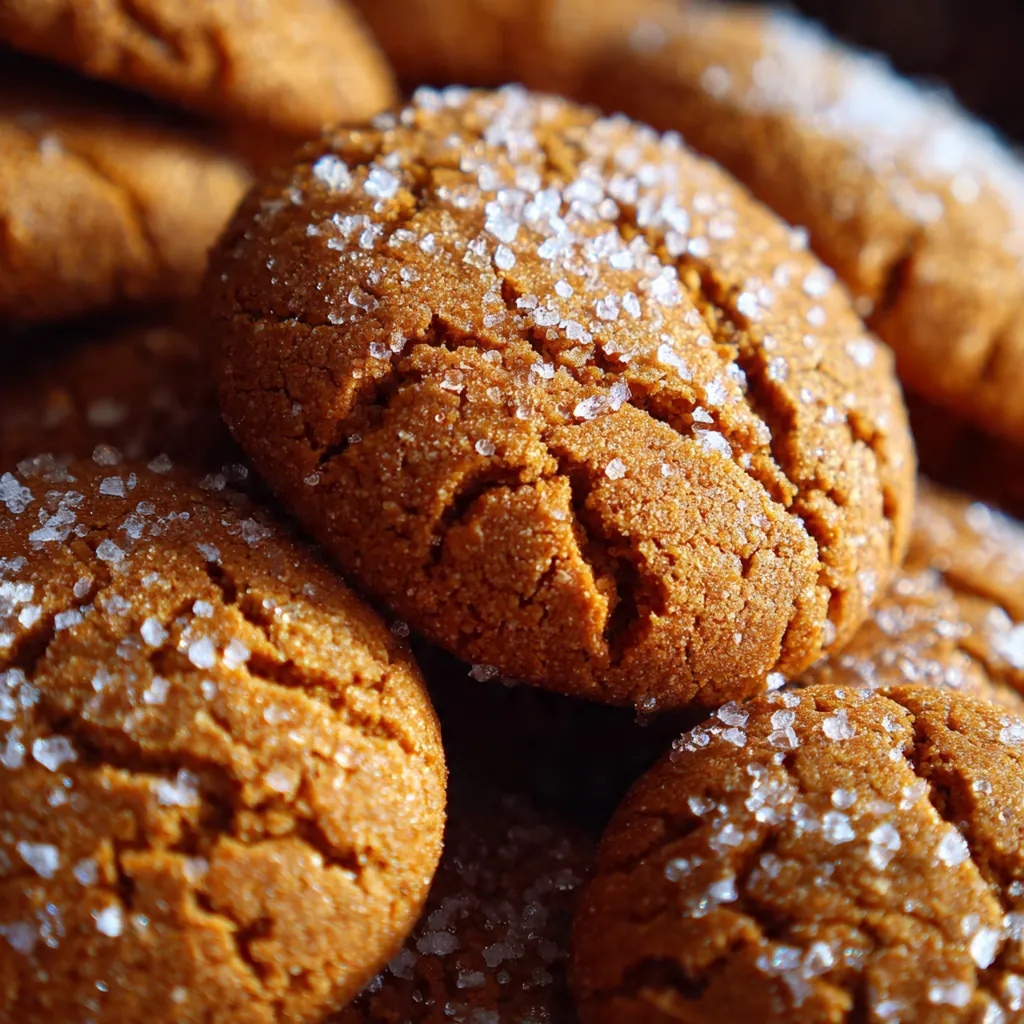
Soft gingerbread cookies are a holiday classic that fills your kitchen with the coziest aroma. These European-inspired treats are known for their warm spice blend and that signature soft, chewy texture. I’ve found this particular recipe to be the most reliable for cookies that stay wonderfully soft, making them perfect for festive cut-outs. You’ll love how simple they are to make and how the whole house smells like pure holiday comfort.
Why You'll Love This Recipe
- That warm, cozy spice blend is pure holiday nostalgia
- They stay incredibly soft and chewy for days on end
- So much fun to decorate with festive shapes and icing
- The smell while they bake is absolutely unbeatable
- My go-to for cookie swaps every single year
Ingredients You’ll Need
- All-purpose flour: provides the sturdy yet tender structure for your soft gingerbread cookies. Stick to a trusted brand for consistent results every time.
- Baking soda: acts as the leavening agent to give your cookies a gentle lift and tender crumb. Make sure yours is fresh for the best rise.
- Ground ginger: the star spice that gives these soft gingerbread cookies their signature warmth and bite. A good, fragrant ginger makes all the difference.
- Ground cinnamon: adds a familiar sweet warmth that perfectly complements the ginger. It’s the classic holiday spice you know and love.
- Ground cloves: offers a deep, pungent note that rounds out the spice profile. Use it sparingly; its flavor is quite potent.
- Salt: a tiny bit balances all the sweetness and spices. It enhances every other flavor in the bowl.
- Unsalted butter, softened: creates a rich, tender texture and helps the cookies spread just right. Let it soften at room temperature for easy creaming.
- Dark brown sugar, packed: delivers a deep molasses flavor and moisture for that perfect chew. Packing it firmly ensures you get the right amount.
- Large egg, at room temperature: binds the dough together and adds structure. Room temperature ingredients incorporate much more smoothly.
- Molasses (preferably dark): the heart of the flavor, giving depth, color, and that distinct gingerbread taste. Dark molasses has the richest character.
- Vanilla extract: adds a subtle background sweetness that ties all the warm spices together. Pure extract always gives a better flavor than imitation.
How to Make It
Whisk the Dry Ingredients:
In your medium bowl, whisk together the flour, baking soda, and all the spices. Doing this first ensures the leavening and spices are evenly distributed throughout your dough for consistent flavor in every bite.
Cream the Butter and Sugar:
Use your electric mixer on medium speed to beat the softened butter and packed brown sugar. You’re looking for a light, fluffy mixture that’s almost pale in color, which takes about two to three minutes. This step incorporates air for a better texture.
Combine the Wet Ingredients:
Add the egg, molasses, and vanilla to the butter mixture. Beat on medium until everything is fully combined, scraping down the sides of the bowl once or twice. You want a smooth, homogenous liquid base.
Bring the Dough Together:
With the mixer on low speed, gradually add your whisked dry ingredients to the wet mixture. Mix just until no dry streaks of flour remain; overmixing can make the cookies tough. The dough will be quite thick and a bit sticky.
Chill the Dough:
Divide the dough in half, shape each into a disk, and wrap tightly in plastic wrap. Chilling is non-negotiable—it firms up the butter so your soft gingerbread cookies hold their shape and don’t spread too thin in the oven.
Roll and Cut the Cookies:
Preheat your oven to 350°F and line your sheets with parchment. On a lightly floured surface, roll one disk to about a quarter-inch thick. Use your favorite cutters and place shapes on the sheet, spacing them apart.
Bake to Perfection:
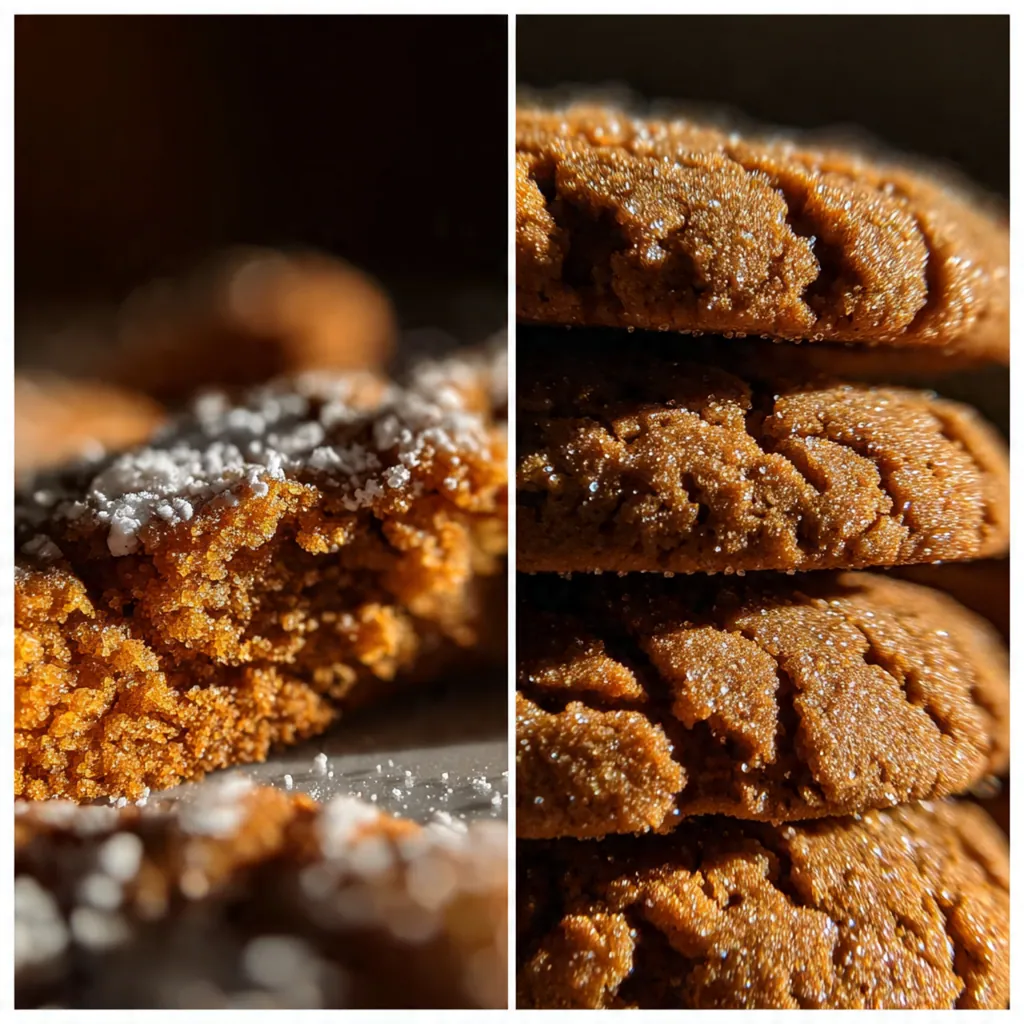
Bake for 8 to 10 minutes. The edges will look set and the centers puffed. They might seem soft, but that’s key for chewiness. Let them cool on the sheet for five minutes before moving them; they firm up as they cool.
Cool and Decorate:
Transfer the cookies to a wire rack to cool completely. This is crucial before you add any icing, or it’ll just melt right off. Once cool, let your creativity run wild with decorations.
You Must Know
- Chilling the dough is essential for clean cuts
- Dark molasses gives the best flavor and color
- Pull them out when the centers still look puffy
- They firm up a ton as they cool on the sheet
- I never skip the vanilla, it makes a difference
Storage Tips
To keep your soft gingerbread cookies at their best, store them completely cooled in an airtight container at room temperature. They’ll stay wonderfully soft for up to a week. For a neat trick, tuck a slice of plain bread into the container; the cookies will absorb its moisture and stay extra chewy. If you want to freeze them, place undecorated cookies in a single layer on a baking sheet to freeze solid, then transfer to a freezer bag for up to three months. Thaw them at room temperature before you decorate.
Ingredient Substitutions
If you’re out of dark brown sugar, you can use light brown sugar, though the flavor won’t be quite as deep. For a gluten-free version, a reliable 1:1 gluten-free flour blend works perfectly in the same amount. Vegan butter can stand in for dairy butter if needed, just make sure it’s a stick variety meant for baking. If you need an egg substitute, a flax egg (one tablespoon ground flax mixed with three tablespoons water, set for five minutes) will do the trick. And while dark molasses is ideal, any unsulphured molasses you have will still make great soft gingerbread cookies.
Serving Suggestions
These soft gingerbread cookies are a treat all on their own with a glass of cold milk, but they’re also fantastic alongside a hot cup of coffee or even a mug of mulled wine. I love arranging them on a holiday dessert tray with other classics like shortbread and peppermint bark. For something a bit more indulgent, try sandwiching two cookies with a scoop of vanilla ice cream for a quick ice cream sandwich. They also make the sweetest, most heartfelt gift when stacked in a tin or tied with a ribbon.
Cultural Context
Gingerbread has a long and rich history across Europe, with roots tracing back to medieval times where ginger was a prized and expensive spice. The tradition of making soft gingerbread cookies, especially in decorative shapes, is often tied to holiday festivals and Christmas markets in Germany and Scandinavia. Over centuries, the recipe traveled and evolved, becoming the softer, molasses-sweetened cookie we know today in many households. Baking them is a ritual that connects us to generations past, turning simple ingredients into edible symbols of celebration and warmth.
Pro Tips
- Roll dough between parchment to avoid extra flour
- Chill your cookie cutters for even cleaner edges
- Bake one test cookie to check your oven’s timing
- Let icing set completely before stacking
- My family fights over the re-rolled scraps
Frequently Asked Questions
Dark molasses is recommended for its robust flavor and rich color, which gives these soft gingerbread cookies their classic deep taste. Light molasses can be used for a milder flavor, but dark is traditional and pairs perfectly with the warm spices.
Absolutely! The dough for these soft gingerbread cookies chills beautifully. Wrap it tightly and refrigerate for up to 3 days before rolling and baking. This allows the flavors to meld and makes the dough easier to handle for clean-cut shapes.
If you don’t have dark brown sugar, you can use light brown sugar and add an extra tablespoon of molasses to achieve a similar flavor and moisture. Alternatively, you can make your own by mixing 3/4 cup white sugar with 1 1/2 tablespoons of molasses.
The cookies are done when the edges are set and just starting to brown, but the centers still look soft. They will firm up as they cool, so it’s important not to overbake to maintain that signature soft and chewy texture.
These soft gingerbread cookies are perfect on their own, but they also pair wonderfully with a glass of cold milk, a cup of coffee, or a warm mug of spiced apple cider. For a festive dessert, you can also use them to make cookie sandwiches with cream cheese frosting.