


Making a classic minestrone is one of the most satisfying things you can do in your kitchen. This rustic Italian soup isn’t about strict rules, it’s about creating a bowl of comfort that sings with vegetable goodness. You’ll find it deeply nourishing, packed with beans, pasta, and aromatic herbs. I love how this version comes together in one pot, delivering a taste of an Italian nonna’s kitchen in under an hour. It’s the flexible, feel-good meal you’ll turn to again and again.
Why You'll Love This Recipe
- It transforms humble pantry staples into a complete and satisfying meal
- Minimal cleanup with straightforward one-pot cooking
- Tastes even better the next day, making meal prep a breeze
- You can easily swap veggies based on what’s in your fridge
- I make a big batch every Sunday to have lunches sorted
Ingredients You’ll Need
- Olive oil: it’s your flavor base and what you’ll use to sauté the aromatics; a good extra virgin olive oil makes a difference here, so use one you like the taste of.
- Yellow onion: it provides a sweet, foundational flavor; go for one that’s firm and feels heavy for its size.
- Carrots: peeled and diced for earthy sweetness and a lovely pop of color; fresh, crisp carrots will hold their texture best in the soup.
- Celery stalks: they add a subtle, herbal bitterness that balances the soup’s sweetness; look for stalks with bright green leaves still attached.
- Garlic: minced and added after the veggies soften to perfume the oil without burning; fresh, firm cloves are key for the best aroma.
- Canned diced tomatoes: they bring a touch of bright acidity and body to the broth; I always use the kind with their juices for more flavor.
- Vegetable broth: the liquid foundation of your classic minestrone; a good-quality, low-sodium broth lets you control the final seasoning perfectly.
- Dried oregano: it gives that distinct Italian herb flavor that develops beautifully during the simmer.
- Dried basil: another key dried herb that works in harmony with the oregano to create depth.
- Bay leaf: a single leaf infuses the whole pot with a subtle, woodsy note you just can’t replicate; remember to fish it out before serving.
- Cannellini beans: rinsed and drained to add creamy texture and plant-based protein; they make the soup feel hearty and complete.
- Small pasta: shapes like ditalini cook quickly and hold the broth in every bite; cooking it in the soup itself allows it to soak up all the flavors.
- Fresh spinach: stirred in at the end so it wilts perfectly, adding a burst of color and fresh green flavor.
- Fresh parsley: the final flourish that lifts the whole dish with a bright, clean herbal note.
- Parmesan cheese: an optional but highly recommended garnish that adds a salty, umami-rich finish to each bowl.
How to Make It
Sauté Your Aromatics:
Start by heating the olive oil in your largest pot over medium heat. Add the chopped onion, carrots, and celery, stirring occasionally. You’re looking for them to soften and the onion to turn translucent, which takes about eight to ten minutes. This step builds the foundational flavor for your entire classic minestrone.
Bloom the Garlic:
Once your veggies are soft, add the minced garlic right into the pot. Stir it constantly for just about a minute until it becomes incredibly fragrant. Be careful not to let it brown, as burnt garlic can turn bitter.
Build the Broth:
Pour in the entire can of diced tomatoes with their juices and all six cups of vegetable broth. Stir in the dried oregano, dried basil, and that single bay leaf, then season with a good pinch of salt and pepper. Bringing this to a boil wakes up all those dried herbs.
Simmer for Depth:
Once boiling, reduce the heat to low and cover the pot. Let the soup simmer gently for about twenty minutes. This quiet time is when the magic happens, allowing all the individual flavors to meld together into a cohesive, rich broth.
Add Beans and Pasta:
Stir in the rinsed cannellini beans and your cup of small pasta. Turn the heat up to medium-high to return to a simmer and cook uncovered. You’ll need about ten to twelve minutes here, stirring occasionally so the pasta doesn’t stick to the bottom, until the pasta is perfectly al dente.
Finish with Fresh Greens:
The final step is to stir in the chopped fresh spinach and parsley. They only need two or three minutes in the hot soup to wilt beautifully and release their fresh flavor. This keeps their vibrant color and texture intact.
Final Seasoning and Serve:
Take the pot off the heat and don’t forget to find and remove that bay leaf. Give the soup a final taste and adjust with more salt or pepper if it needs it. Ladle it into deep bowls while it’s steaming hot for the best experience.
Garnish Generously:
This is where you make it your own. Top each bowl with a sprinkle of grated Parmesan cheese, a thread of good olive oil, and maybe a few fresh basil leaves if you have them. The garnish adds layers of flavor and aroma that complete the dish.
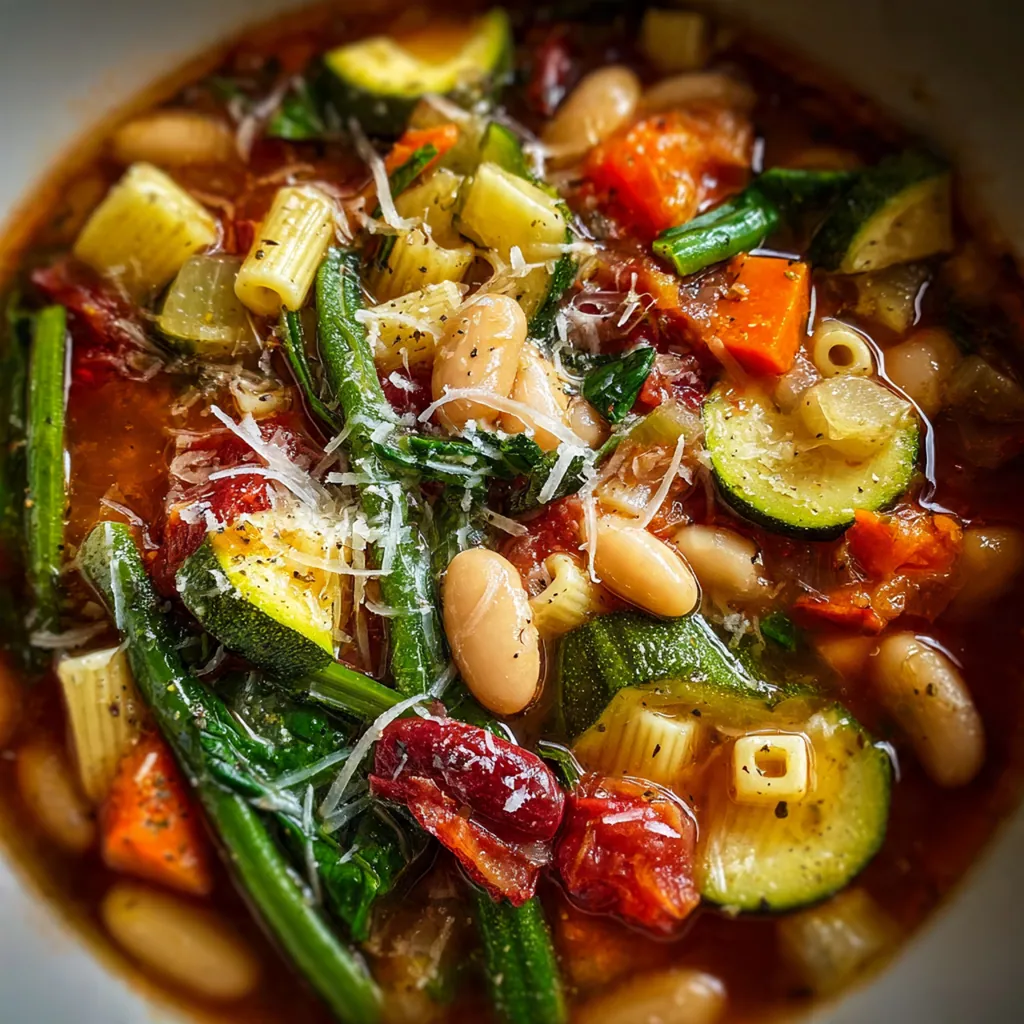
You Must Know
- Don’t skip softening the onion, carrot, and celery base
- Add the pasta towards the end so it stays al dente
- Fresh herbs at the finish brighten the entire pot
- Leftover soup thickens as the pasta absorbs broth
- A Parmesan rind simmered in the pot is a game-changer
Storage Tips
Let your classic minestrone cool to room temperature before transferring it to airtight containers—it’ll keep in the fridge for up to four days. Be prepared for the pasta to soak up more broth as it sits; when you reheat it, just add a splash of water or extra broth to loosen it back up to soup consistency. You can freeze it for up to three months, though the pasta texture will soften a bit. My favorite trick is to freeze a portion without any pasta, then cook fresh pasta directly in the reheating soup for the best texture.
Ingredient Substitutions
This classic minestrone is incredibly forgiving. Swap the cannellini beans for kidney beans or chickpeas if that’s what’s in your pantry. No spinach? A couple handfuls of chopped kale or Swiss chard work beautifully, just add them with the beans so they have more time to soften. Any small pasta shape is fine, from orzo to small shells, or use a gluten-free variety to make the whole pot gluten-free. For the fresh herbs, if parsley isn’t around, a tablespoon of fresh basil or oregano chopped at the end is just as wonderful.
Serving Suggestions
A thick slice of crusty, toasted bread is non-negotiable for dipping and soaking up every last drop of broth. For a simple side, toss together a crisp green salad with a sharp lemon vinaigrette to cut through the soup’s richness. If you’re enjoying a glass of wine, a medium-bodied Italian red like a Chianti or Sangiovese complements the rustic tomato and herb flavors perfectly. On a chilly evening, I love setting the pot right on the table with some bread and salad for a casual, family-style feast.
Cultural Context
True classic minestrone is less a single recipe and more a celebration of Italian *cucina povera*, or peasant cooking, which makes the most of seasonal, available ingredients. Every region and every family in Italy has their own version, often thickened with bread or rice instead of pasta. The name itself comes from the Italian *minestrare*, meaning ‘to serve’, reflecting its role as a sustaining, one-pot dish meant to be shared. This version, with its beans and pasta, is a heartier take from central and northern Italy, designed to be a complete meal that comforts and fills you up with simple, honest flavors.
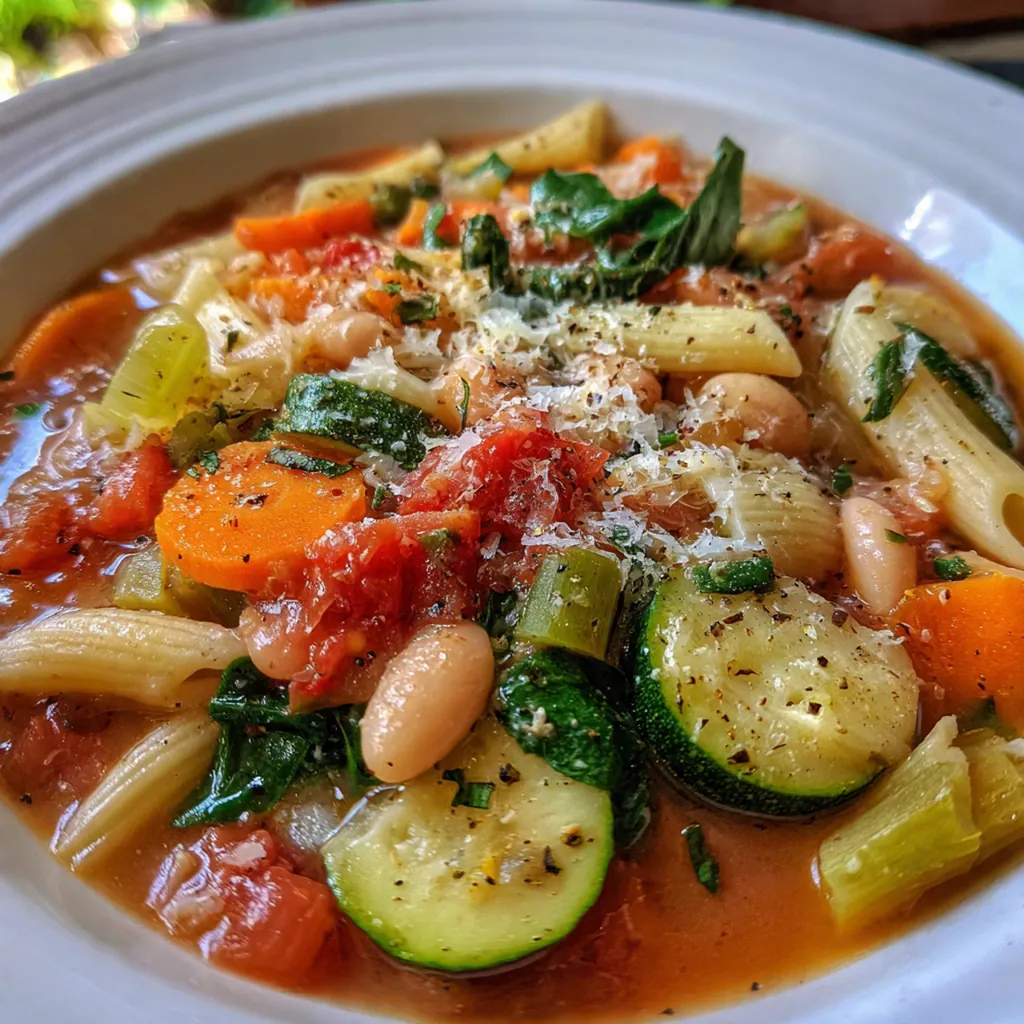
Pro Tips
- Sauté a spoonful of tomato paste with the garlic for a richer, deeper broth
- Keep pasta separate if meal-prepping to avoid a mushy texture
- A splash of red wine vinegar at the end can brighten all the flavors
- Save your Parmesan rinds in the freezer to add to the simmering pot
- I always double the recipe because it disappears fast
Frequently Asked Questions
Traditional Classic Minestrone often uses cannellini beans (white kidney beans) for their creamy texture and mild flavor, as listed in this recipe. They hold their shape well during simmering. You can easily substitute with great northern beans, borlotti beans, or even chickpeas for a different twist.
Absolutely! Classic Minestrone tastes even better the next day as the flavors meld. Let it cool completely, then store it in an airtight container in the refrigerator for up to 4 days. Reheat gently on the stove, adding a splash of broth or water if it thickens too much.
If you don’t have fresh spinach, other hearty greens work beautifully. Try chopped kale, Swiss chard, or escarole. Add kale or chard a few minutes earlier than you would spinach, as they take slightly longer to wilt and become tender.
Your Classic Minestrone is ready when the vegetables are tender but not mushy, and the pasta is cooked al dente. The soup should be thick and hearty, not watery. Give it a final taste and adjust the salt, pepper, or herbs before serving for perfect seasoning.
This soup is a complete meal on its own! For a true Italian touch, serve it with a sprinkle of grated Parmesan cheese, a drizzle of good olive oil, and a side of crusty bread or garlic bread for dipping. It’s perfect for a cozy family dinner.