

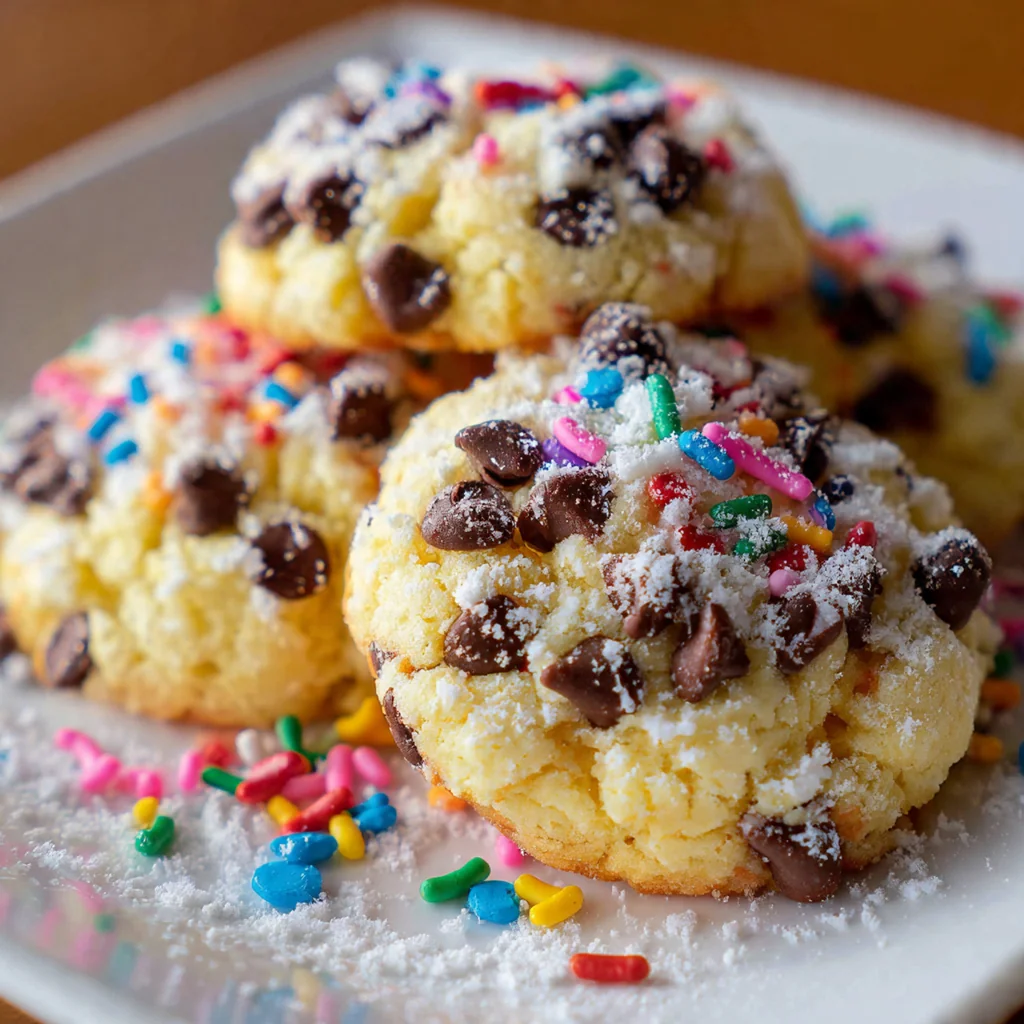
These Italian cookies are a true family heirloom, embodying the soft, cake-like texture and gentle anise flavor that’s graced my own holiday tables for decades. Passed down from my grandmother, this recipe creates tender, lightly sweet Italian cookies that are a staple at any festive gathering. They’re surprisingly simple to make, yielding a batch of pillowy treats that get their signature look from a simple glaze and rainbow sprinkles. You’ll love how the authentic taste transports you straight to a cozy Italian bakery.
Why You'll Love This Recipe
- The soft, pillowy texture is incredibly satisfying and not too sweet
- You can easily swap the anise for almond or lemon if you prefer
- They’re surprisingly simple to make, even for beginner bakers
- The colorful glaze makes them a festive addition to any cookie platter
- I make these every Christmas and they’re always the first to disappear
Ingredients You’ll Need
- All-purpose flour: provides the structure for these cake-like cookies, so fluff it before measuring for the lightest texture possible.
- Baking powder: this is the leavening agent that gives the cookies their signature soft and pillowy rise.
- Salt: just a bit balances the sweetness and enhances all the other flavors in the dough.
- Granulated sugar: sweetens the dough and helps create a tender crumb when creamed with the butter.
- Unsalted butter: use the real thing, softened to room temperature, for that rich flavor and tender texture.
- Large eggs: they bind everything together and contribute to the soft, cakey structure of the final cookie.
- Whole milk: adds moisture and richness to the dough, making the crumb extra tender and soft.
- Vegetable oil: this secret ingredient keeps the cookies incredibly moist and soft for days after baking.
- Pure vanilla extract: adds a warm, comforting background note that complements the anise perfectly.
- Anise extract: this is the star flavor, providing that classic, gentle licorice-like aroma and taste.
- Powdered sugar: sift it for a perfectly smooth, lump-free glaze that drapes over the cookies beautifully.
- Whole milk or cream: thins the glaze to a dippable consistency; cream makes it a bit richer.
- Vanilla extract: a dash in the glaze adds another layer of flavor that pairs wonderfully.
- Multi-colored nonpareil sprinkles: the classic festive finish that adds a pop of color and a little crunch.
How to Make It
Preheat and Prepare Your Pans:
Start by heating your oven to 350°F and lining two baking sheets with parchment paper. This prevents sticking and makes cleanup a breeze, plus it helps the bottoms bake evenly.
Whisk the Dry Ingredients:
In a medium bowl, whisk together the flour, baking powder, and salt until they’re fully combined. Setting this aside now means you won’t overmix the dough later when you add it.
Cream the Butter and Sugar:
In a large bowl, use an electric mixer to beat the softened butter and granulated sugar together for a full three minutes. You’re looking for it to become light and fluffy, which creates air for a tender cookie.
Combine the Wet Ingredients:
Beat in the eggs one at a time, letting each fully incorporate before adding the next. Then mix in the milk, oil, vanilla, and anise extract. Don’t worry if it looks a little curdled at this stage, it’s totally normal.
Bring the Dough Together:
With the mixer on its lowest speed, gradually add the flour mixture to the wet ingredients. Mix just until a soft, slightly sticky dough forms and no dry pockets remain. Overmixing is the enemy of a tender texture.
Portion and Shape the Cookies:
Use a tablespoon or small cookie scoop to portion the dough, then roll each piece into a smooth, one-inch ball. Place them on your prepared sheets about two inches apart so they have room to spread a bit.
Bake to Perfection:
Bake for 10 to 12 minutes, rotating the pans halfway through. They’re done when the bottoms are just lightly golden and the tops are set but still pale. They should not brown on top.
Cool Completely:
Let the cookies cool right on the baking sheets for five minutes to firm up, then transfer them to a wire rack. They must be completely cool to the touch before you even think about glazing.
Make and Apply the Glaze:
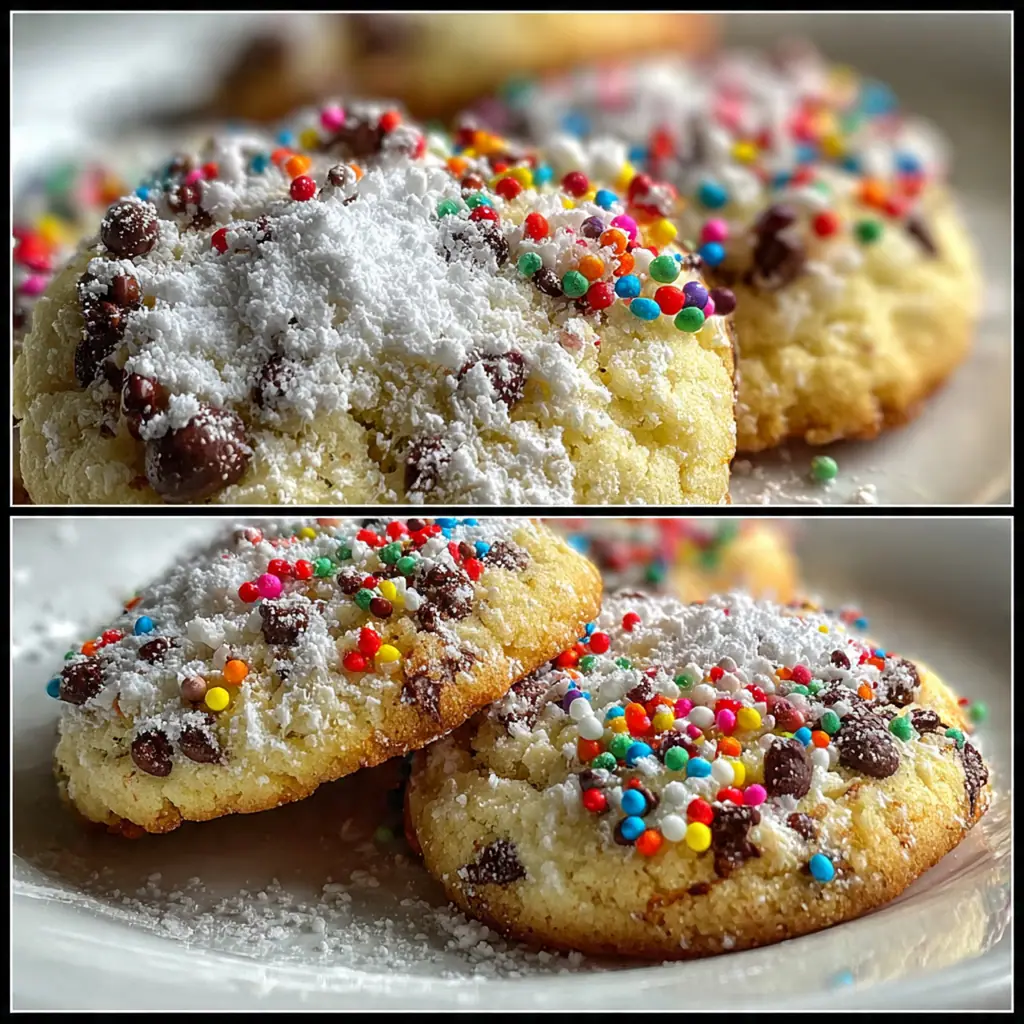
Whisk the powdered sugar, three tablespoons of milk, and vanilla in a shallow bowl until smooth. Dip the top of each cooled cookie, let the excess drip off, and immediately add sprinkles before the glaze sets.
You Must Know
- Room temperature ingredients are non-negotiable for a smooth dough
- Do not overbake these cookies, they’re done when just set
- Let the cookies cool completely before glazing or it’ll run right off
- These are my go-to for gifting because they stay soft for days
Storage Tips
Store your glazed Italian cookies in a single layer inside an airtight container at room temperature, and they’ll stay perfectly soft and fresh for up to five days. If you want to get a head start, you can freeze the unglazed baked cookies for up to two months; just thaw them completely on a wire rack before you dip them in the glaze and add your sprinkles. I often bake a double batch and freeze half, so I’m always ready for a last-minute guest or cookie tray emergency.
Ingredient Substitutions
If anise isn’t your thing, you can swap the anise extract for an equal amount of pure almond or lemon extract for a completely different but equally classic flavor. For a dairy-free version, use your favorite plant-based butter and any unsweetened milk you like, such as oat or almond milk, in both the dough and the glaze. While I love the classic nonpareils, you can top these with any sprinkles you have, from jimmies to sanding sugar, or even leave them plain for a simpler look.
Serving Suggestions
I always serve these Italian cookies with a strong shot of espresso or a small glass of sweet dessert wine like Vin Santo, which is the traditional way to enjoy them. They’re perfect on a holiday cookie tray alongside other classics like crisp pizzelles and crunchy biscotti for a beautiful mix of textures. For a simple afternoon treat, they’re wonderful with a cup of hot tea or coffee, letting the soft, cakey cookie melt in your mouth with each sip.
Cultural Context
These soft, cake-like cookies are a cornerstone of Italian-American baking, particularly around Christmas and Easter, where they’re a fixture on every dessert table known as the *dolci* spread. The use of anise, or *anisette*, is a flavor deeply rooted in Italian culinary tradition, often associated with celebrations and hospitality. My grandma would make massive batches to give to neighbors and family, each cookie representing a little piece of home and heritage. This recipe isn’t just about the ingredients; it’s about carrying forward a ritual of baking and sharing that connects generations.
Pro Tips
- If the dough feels too sticky to roll, chill it for 15-20 minutes
- For a stronger anise flavor, toast and grind anise seeds to add to the dough
- Use a cookie scoop for perfectly even portions and baking times
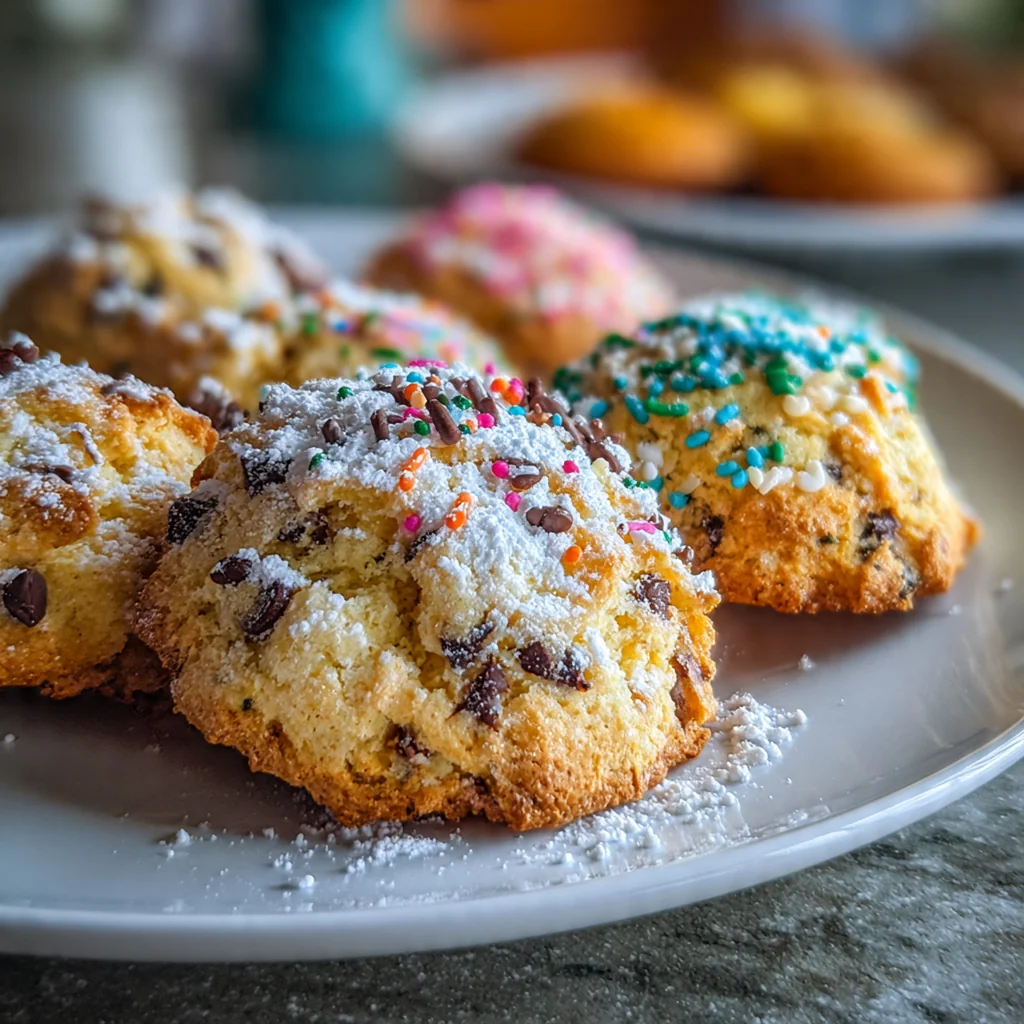
- Let the glaze harden completely before stacking the cookies
- I always double the recipe because they go so fast
Frequently Asked Questions
For authentic flavor, use pure anise extract. The two teaspoons called for in this recipe provide the classic, gentle licorice-like flavor that defines traditional Italian cookies. Avoid using anise oil or imitation extract, as they can be too potent and overpower the other ingredients.
Absolutely! These cookies are excellent for making ahead. Once fully cooled, store them in an airtight container at room temperature for up to 5 days. The glaze will set, and the flavors will meld beautifully, making them even more tender the next day.
If you’re not a fan of anise, you can substitute it with an equal amount of vanilla, almond, or lemon extract. This will create a different but equally delicious cookie. For a more traditional alternative, try 1 tablespoon of fennel seeds, lightly crushed and steeped in the warm milk before adding it to the dough.
Bake them for the full 12 minutes. They’re done when the edges are just very lightly golden and the tops are puffed and set. They should not brown. The cookies will finish setting as they cool on the baking sheet, resulting in that signature soft, cake-like texture.
These classic cookies pair wonderfully with espresso, cappuccino, or a glass of sweet dessert wine like Vin Santo. They’re perfect on a holiday cookie platter alongside other Italian treats like biscotti and pizzelle, or simply enjoyed as a sweet ending to any meal.